Identify stocks with the strongest price appreciation and fundamental improvement. Inflation accelerated sharply in April, with consumer prices rising 3.8% year-over-year—the highest level since late 2023. Surging gasoline costs were the primary driver, pushing the overall price gauge to its hottest reading in nearly three years and adding fresh pressure on household budgets.
Live News
The Bureau of Labor Statistics reported that the Consumer Price Index (CPI) jumped 3.8% in April compared to the same month a year ago, marking the steepest annual increase since November 2023. On a monthly basis, prices rose 0.4%, exceeding economists’ expectations of a 0.3% gain.
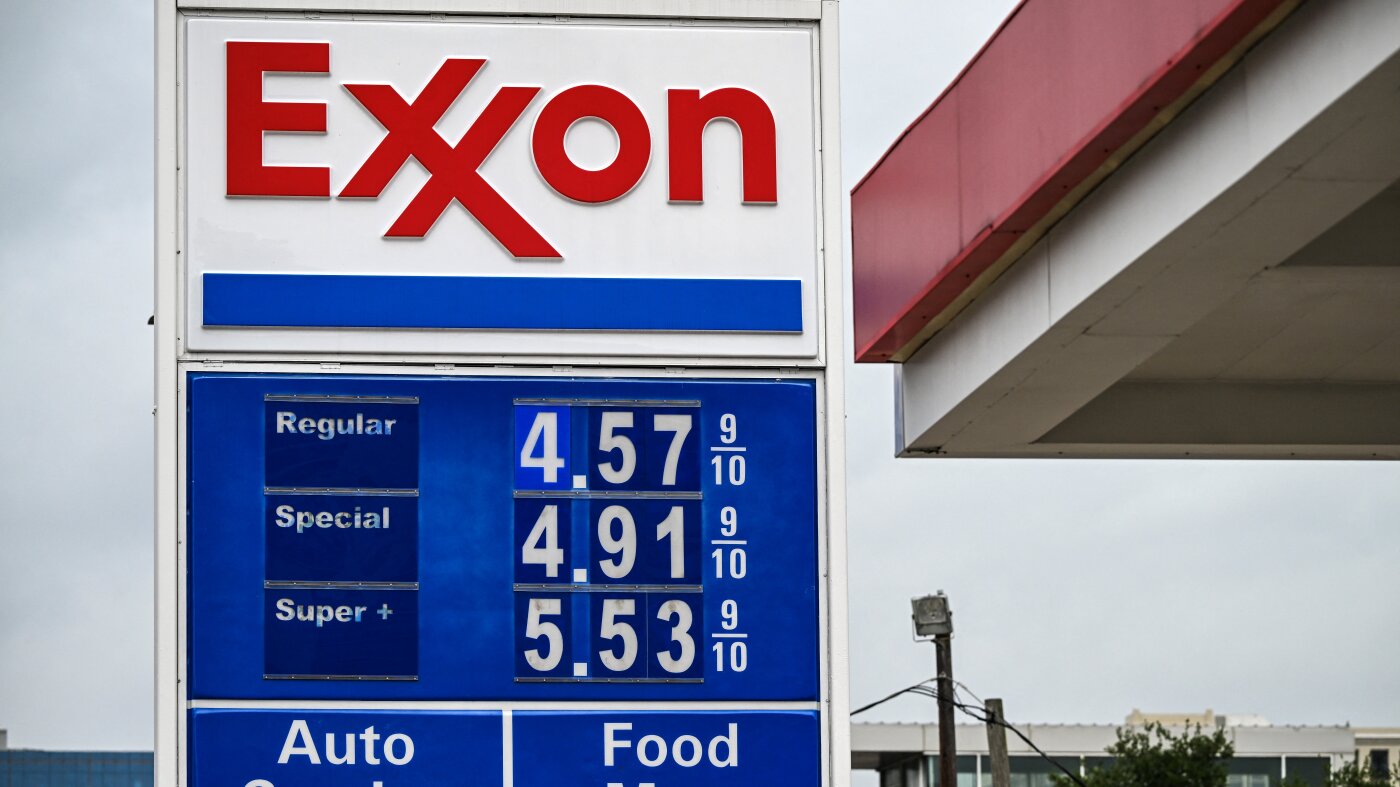
Gasoline prices led the surge, climbing 5.6% month-over-month and accounting for more than half of the overall CPI increase. The national average for a gallon of regular gas recently hit levels not seen since mid-2023, reflecting rising crude oil costs and seasonal demand shifts.
Other categories also posted notable gains. Shelter costs remained elevated, rising 0.4% from March, while food prices edged up 0.2% as grocery staples like eggs and dairy products became more expensive. Used car and truck prices increased 1.8%, reversing several months of declines.
Core inflation, which excludes volatile food and energy prices, rose 3.6% year-over-year, slightly above the 3.5% reading in March. This suggests that underlying price pressures remain stubbornly high even after stripping out volatile components.
The data represents a setback for the Federal Reserve, which has been attempting to bring inflation down to its 2% target. Markets now expect the central bank to maintain elevated interest rates for longer, with the first rate cut potentially delayed until later in 2026.
Inflation Surges to Highest Level Since 2023 as Gasoline Prices Drive Consumer Costs HigherMany traders use scenario planning based on historical volatility. This allows them to estimate potential drawdowns or gains under different conditions.Predictive analytics are increasingly part of traders’ toolkits. By forecasting potential movements, investors can plan entry and exit strategies more systematically.Inflation Surges to Highest Level Since 2023 as Gasoline Prices Drive Consumer Costs HigherTiming is often a differentiator between successful and unsuccessful investment outcomes. Professionals emphasize precise entry and exit points based on data-driven analysis, risk-adjusted positioning, and alignment with broader economic cycles, rather than relying on intuition alone.
Key Highlights
- The April CPI reading of 3.8% is the highest since November 2023, reflecting broad-based price increases across multiple sectors.
- Gasoline prices surged 5.6% month-over-month, contributing over half of the overall inflation gain. This marks the biggest monthly jump in fuel costs since early 2023.
- Shelter costs continued to rise at a 0.4% monthly pace, keeping housing affordability strained for renters and homeowners alike.
- Core inflation held at 3.6% year-over-year, indicating that underlying price pressures remain persistent despite the Fed’s aggressive rate hikes over the past two years.
- The data adds to concerns that inflation may be more entrenched than previously anticipated, potentially forcing the Fed to keep interest rates at current levels or even consider further hikes.
Inflation Surges to Highest Level Since 2023 as Gasoline Prices Drive Consumer Costs HigherData integration across platforms has improved significantly in recent years. This makes it easier to analyze multiple markets simultaneously.Some investors use scenario analysis to anticipate market reactions under various conditions. This method helps in preparing for unexpected outcomes and ensures that strategies remain flexible and resilient.Inflation Surges to Highest Level Since 2023 as Gasoline Prices Drive Consumer Costs HigherHistorical price patterns can provide valuable insights, but they should always be considered alongside current market dynamics. Indicators such as moving averages, momentum oscillators, and volume trends can validate trends, but their predictive power improves significantly when combined with macroeconomic context and real-time market intelligence.
Expert Insights
Financial analysts are closely watching the latest inflation figures for signs of whether the recent acceleration is a temporary blip or a sustained trend. The sharp rise in gasoline costs, which are often volatile, may moderate in the coming months if oil prices ease. However, the persistence of core inflation suggests that broader price pressures may take longer to subside.
From an investment perspective, the data could lead to increased market volatility in the near term. Sectors sensitive to interest rates—such as real estate, utilities, and consumer discretionary—may face headwinds as the likelihood of rate cuts recedes. Conversely, energy producers could benefit from continued high fuel prices.
Economists caution that the Fed will need to see several months of moderation before considering any policy easing. The central bank’s next meeting in June will be closely scrutinized for updated projections on inflation and interest rates. For now, investors are adjusting their portfolios to account for a “higher for longer” rate environment, with fixed-income yields potentially rising further as bond markets price in a delayed easing cycle.
Inflation Surges to Highest Level Since 2023 as Gasoline Prices Drive Consumer Costs HigherInvestors often balance quantitative and qualitative inputs to form a complete view. While numbers reveal measurable trends, understanding the narrative behind the market helps anticipate behavior driven by sentiment or expectations.The interplay between macroeconomic factors and market trends is a critical consideration. Changes in interest rates, inflation expectations, and fiscal policy can influence investor sentiment and create ripple effects across sectors. Staying informed about broader economic conditions supports more strategic planning.Inflation Surges to Highest Level Since 2023 as Gasoline Prices Drive Consumer Costs HigherTechnical analysis can be enhanced by layering multiple indicators together. For example, combining moving averages with momentum oscillators often provides clearer signals than relying on a single tool. This approach can help confirm trends and reduce false signals in volatile markets.